3.17.2013

Nettle Pesto & Marinara

Wild harveseted nettles make a great pesto. This batch had a pound of blanched nettles, garlic, salt, toasted walnuts, extra virgin olive oil, and a slice of provolone cheese.  Pouring a thin layer of olive oil on top has preservative effects.


You can also make a great marinara with nettles.  Sautee an onion with garlic, pepper, and herbs.    In a blender puree 1 or 2 large cans of tomatoes with chopped blanched nettles and add back to the onion garlic sautee.

Nettles are very practical to make with pasta because you can reuse the boiling water for blanching the nettles for the pasta.


Nettle Soup

I made this wonderful nettle soup with several pounds of blanched nettles, two sautéed onions with garlic, and some veggie stock.  All then pureed in the blender.

2.27.2013

Pendleton jacquard wool scarf


Here's a scarf I finished in Pendleton wool for sale here.  The edges are finished with a zig zag stich which I felt was the least distracting from the beauty of the pattern.

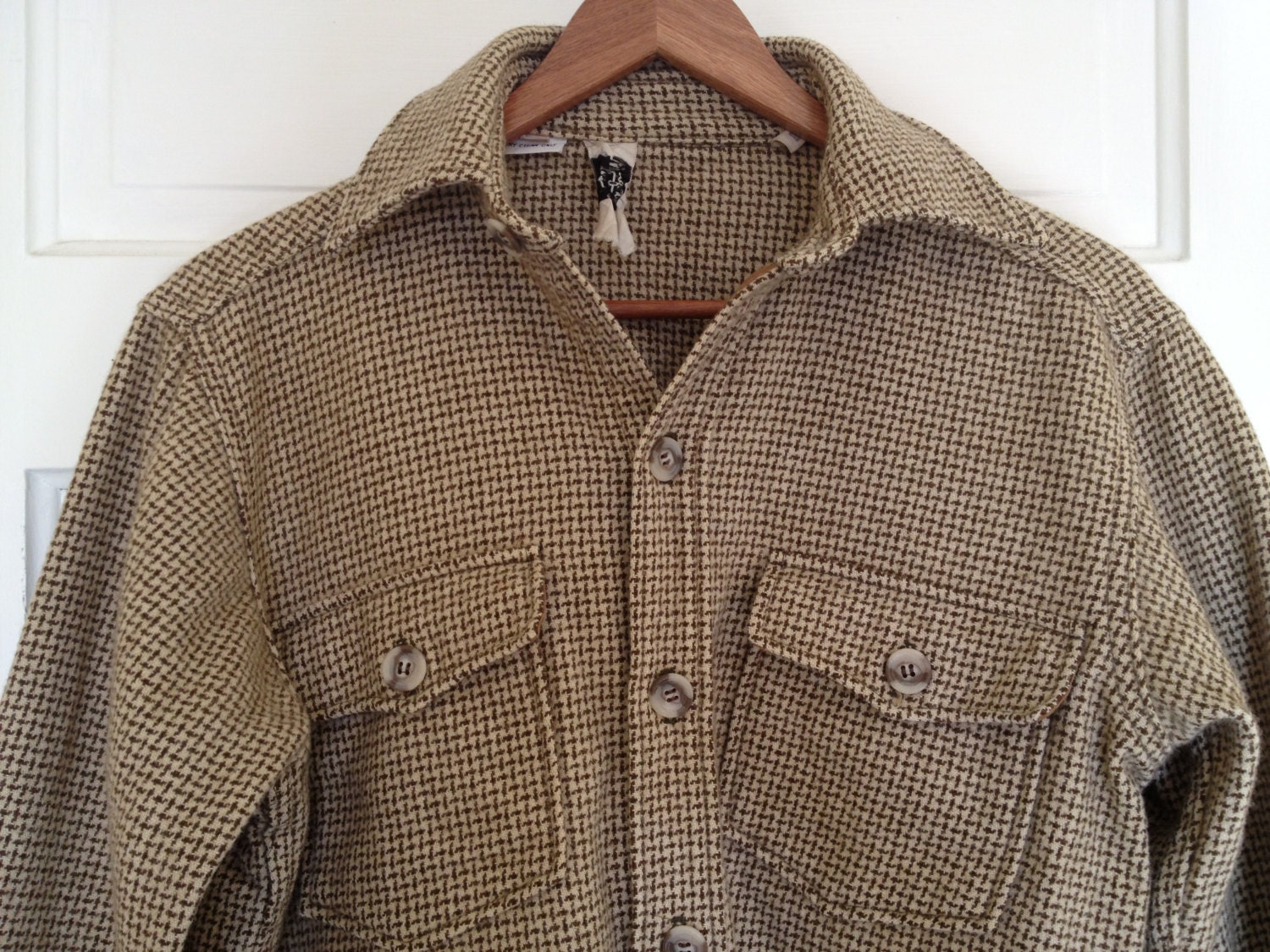
Here is an awesome vintage Woolrich button down I have for sale here as well.

another Pendleton rag rug

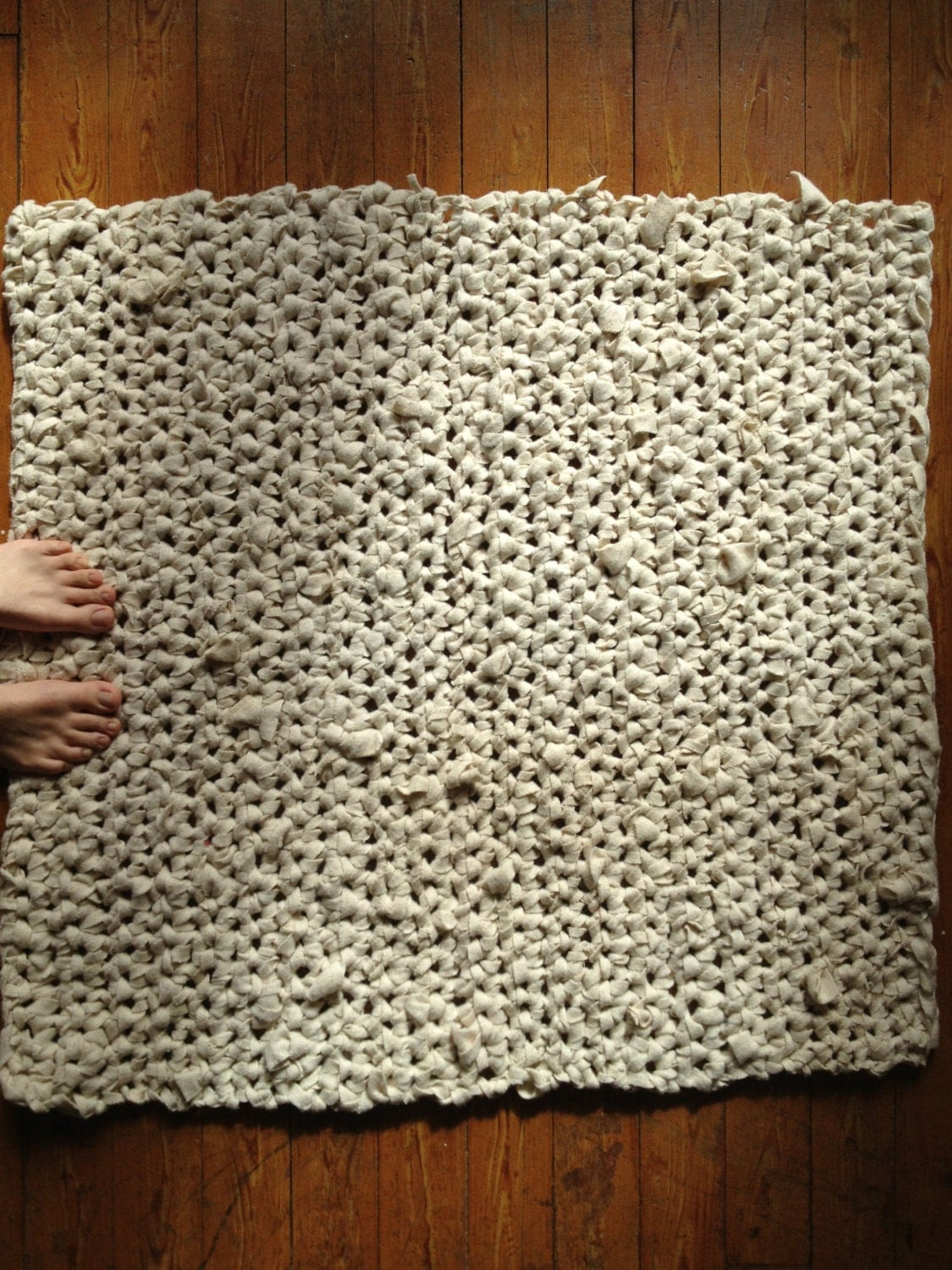
Here's another rag rug I just finished in Pendleton wool.  It's for sale here


2.13.2013

DIY hemming and debelling


Being able to hem your own pants is a really valuable skill to have.  Here I'll explain how I make hems and also how to narrow legs.  I'd recommend the the first time you try this, use a pair of cheap thrift store pants. 

You will need:
- sharp scissors
- tailor's chalk or any other thing you can mark with that will wash out
- iron
- thread (I prefer heavy duty for these alterations)
- sewing machine
- long ruler

1. First decide where you want your hem to fall.  While you're wearing your pants, you can ask a friend to mark where they hit the floor with chalk, or you can measure the inseam of a pair of pants that already fits you well and fits similarly to the pants you want to hem.  Think about what kind of shoes you will be wearing with your pants when deciding your hem length.

2. Measure the distance from your desired inseam to the hem and then make two new marks with that measurement on either side of the jeans.  Use your ruler as a straight edge connecting those marks, make a line all the way around for the hem line.  Flip over and repeat on the other side.  1" below make another line.  The lower line is the cut line.


3. Cut along the lower line.


3.  Turn the pants inside out, fold the pants to the hem line, and iron.  A hem guide is a really handy tool for this step.  (It's the largest item in the linked picture.)  You can fold your fabric around it and iron through it.

4.  Using the fold you've just made as a guide fold in the fabric again until it meets the bottom and iron in place.

4.  Sew 1/8" from the edge of the fold.


When you hem you also have to opportunity to debell your pants.  This is a great thing to know how to do with the older style bootcut thrift store.  You want to do this before you put the new hem in. 

1.  After marking your pants and cutting out the original hem (before you sew in the new hem) try on your pants and decide how much you want to take the legs in and mark at the hem.  Look at the seams and make sure you mark on the side that the seam that is folded inward (usually the outer seam) no the topstitched seam (usually the inner.)   In these pants you can see to took in about 1.5" from the side. 

2. Turn pants inside out and iron. 


3. Make a line up with leg starting from the mark at the hem.   On these, I made a line 19" up the leg until it hit the original seam.  When you do this you want the line to fairly far up the leg, so that it is almost perpendicular when it hits the original seam.  Make a note of the measurement you use on the first leg and then use that same measurement on the other.  This way you end up with a smooth new seam.

 4.  Sew in place and try on.  There will probably be a bit of pull at the edges and that is ok.  You just want to make sure you like the overall shape.  If not rip out the seam and try again you can adjust the two variables - the amount you take in from the side and the length up the leg.  If you like it move on the the next step.

5.  Cut the excess fabric away with about 3/8" seam allowance. Use the seam ripper to undo the original seam at the area at the knee where it ran close to the new one you put in.  After cutting out the original seams your new seam shouldn't pull in.

6.  On these I used a zig zag stitch to secure the raw edges.


brioche scarf


I knit this scarf in Lamb's Pride Bulky.  Brioche stitch is interesting because you knit alternating rows horizontally, yet you end up with vertical stripes.  I adapted the pattern in Weekend Knitting for less stitches to work with the bulky yarn. 


12.04.2012

beeswax lip balm


Making your own lip balm is really easy.  Save your empty tubes and tins.  In a small container with a pour spout, microwave 1 part wax to 2 to 4 parts oil such as olive oil, jojoba oil, shea butter, coconut oil, or cocoa butter.  Less oil makes a firmer balm.  When melted together add 5 drops of peppermint essential oil and 1 drop of rosemary.  Pour into containers.  Allow to cool for several hours.
 
Before pouring in the new balm, if you're using tubes turn the dial so the stopper goes back to the bottom.  If it doesn't catch at first, press down on it while turning the dial.  

12.02.2012

cowl in Blue Sky Alpacas brushed suri yarn


I knit this cowl several years ago with Blue Sky Alpacas brushed suri yarn.  It's the most amazing yarn ever.  I am surprised how it still looks new and despite how fuzzy the yarn is, it never pilled.  This was knit in garter stitch on size 4 needles to 4" wide and 20" long and the ends were grafted together.

11.25.2012

muesli & slow cooker oatmeal

I've been making my own breakfast cereals lately.   I like store bought kinds, but they tend to be filled with sugar and cheap ingredients.  Muesli is great because it's a cold cereal that you can eat with milk as you would with any store bought kind, and it's easy and inexpensive to make at home.  I made mine in a 1/2 gallon mason jar that I rolled around on the carpet to mix. 


Muesli:
3 C oats
2 C whole grain or corn flakes
1 C raisins
1 C slivered almonds or nuts
1/4 C sesame seeds
1 t cinnamon
dried fruit (I dehydrated apples and berries this summer.)
other possible additions- barley flakes or any flaked grain, cardamom, cacao nibs, powdered ginger, pumpkin seeds

This is great with homemade almond milk.


You can cook steel cut oats in a Crockpot! I like them a lot, but the make a mess when they boil over on the stove top.  With the slow cooker you turn it on before you go to bed and in the morning you have breakfast waiting for you.  They don't boil over either.

Oatmeal:
1 C steel cut oats
4 C water
cook on low for 8 hours

flavorings: raisins, cinnamon, brown sugar
I also like to add strained almond pulp from making almond milk.  (I freeze it to be used later.)

If you live in Portland Bob's Red Mill Store is a great resource.  I bought whole oat groats (the entire grain, not cut into pieces or rolled) there which were great in the slow cooker. 

11.13.2012

Las Pozas de Edward James in Xilitla, Mexico


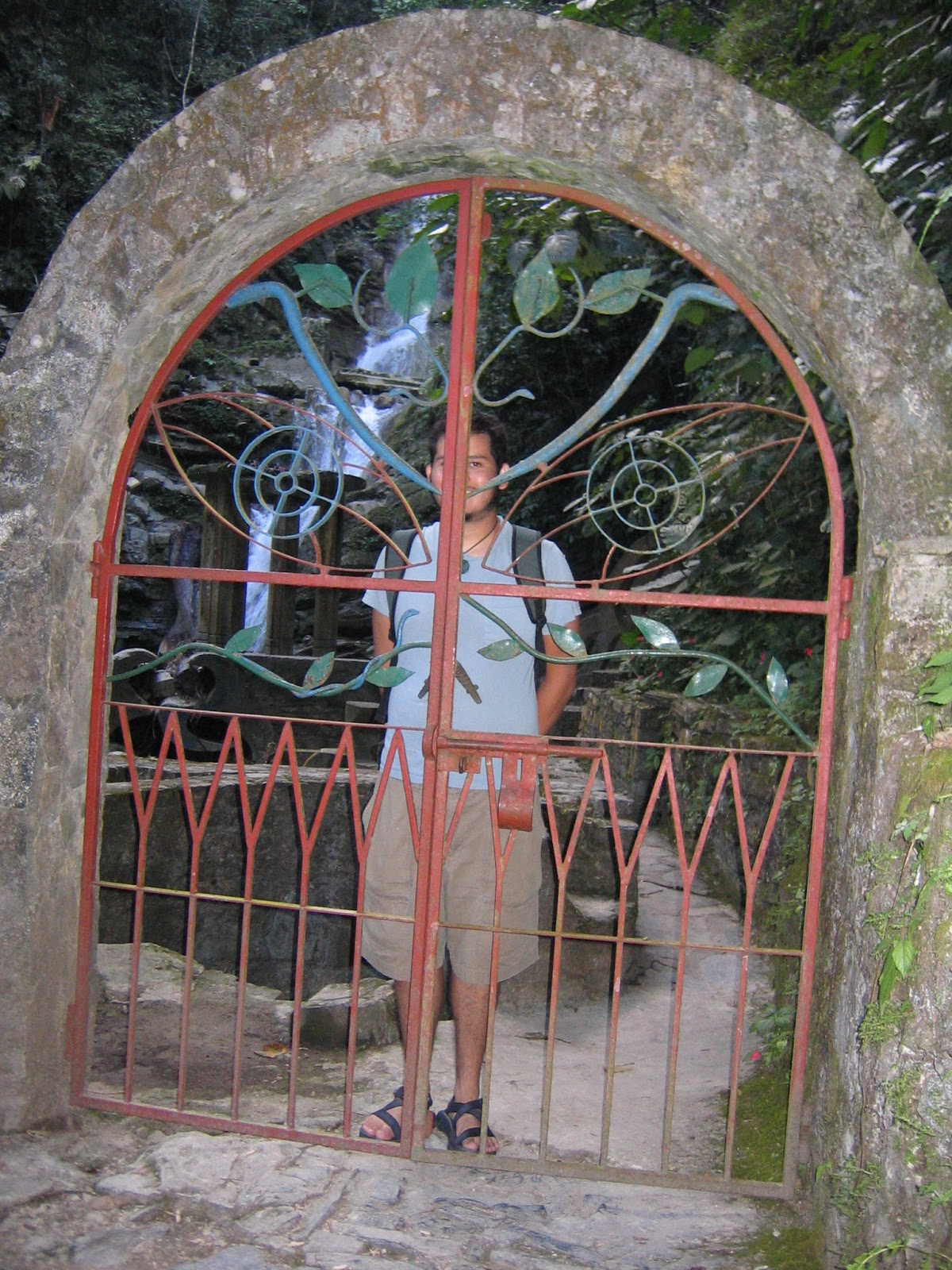
Las Pozas is a surrealist sculpture garden built in the 60s and 70s by the English art patron Edward James.  It's way off the beaten path in a remote region of northeastern Mexico called the Huasteca, which is known for its waterfalls and cloud forest jungle. Though geographically close to major Mexican cities and the US border, this area remains very isolated, probably due to the fact that all of the roads that lead here are terrible.  Driving here was like going back in time.  On our way there, in many places we saw more donkeys on the road than cars.

Spending the day walking around Las Pozas was such an amazing experience.  It's a massive site with hundreds of imaginative and unexpected cement structures like stairs that spiral up into the air, multi storied towers, and winding pathways.  It's all built next to a series of waterfalls and turquoise pools for swimming.  Edward James's wish was to allow it to disintegrate, and it's being slowly eaten by the jungle. Quite a bit was already crumbling in 2007 when I was there.  I believe since our visit that it's been purchased by the Mexican govornment.  (Fondo Xilitla is foundation that currently manages the site. Here's another article about preservation efforts.)


Las Pozas is outside of the hilltop village Xilitla, where we stayed at the fantastic hotel El Castillo, former home Las Pozas's architect.  It's filled with architectural oddities like a pool shaped like an eye and cement hands "holding up" the ceilings. The room we stayed in had gothic cathedral windows with a view of the lush surrounding mountains.


The Huasteca region is also home to many natural wonders like massive waterfalls, underground rivers, and caves, and beautiful wildlife.  You can visit El Sotano de las Goladrinas, one of the deepest pits in the world.  I'd recommend hiring a guide because we missed some cool things here just because we couldn't find them.  Traveling in Mexico made me understand infrastructure I take for granted as an American.

This was my souvenir from Xilitla, a passionflower vine.  It's taking over a corner of our living room.  I got the seeds from a delicious agua fresca there.  I had them for several years here in Portland before trying to germinate any.  The plant is several years old now.  Luckly two sprouted because to fruit they can't self pollinate.  This hasn't bloomed for me yet, but I'm still hopeful.  Passionflowers have to be the most beautiful and strange flowers on earth.  They come on lots of different colors, and I wonder what these will be.


other posts about our trip:


some other great Las Pozas pics: